
Advanced Search

Advanced Search

Current Filters

Filter your query

Publication Types

Other

to

Issue Briefs

/

Advancing Accountable Care in Community Health Centers: Progress and Future Directions

Medical professional listens to patients chest with stethoscope

Physician assistant Ambar Solis-Fuentes, left, exams Mariana Reyes Velázquez at Tepeyac Community Health Center in Denver on Wednesday, July 2, 2025. In 2024, 62 percent of community health centers reported that their largest site participated in an accountable care organization. Photo: Hyoung Chang/Denver Post

Physician assistant Ambar Solis-Fuentes, left, exams Mariana Reyes Velázquez at Tepeyac Community Health Center in Denver on Wednesday, July 2, 2025. In 2024, 62 percent of community health centers reported that their largest site participated in an accountable care organization. Photo: Hyoung Chang/Denver Post

Toplines
  • Accountable care organizations tie financial rewards to improvements in patient health outcomes, an approach that can lead to higher quality and more efficient care

  • Enabling more of the nation’s community health centers to join accountable care organizations will likely require more generous payments, up-front financial investment, and staff training

Toplines
  • Accountable care organizations tie financial rewards to improvements in patient health outcomes, an approach that can lead to higher quality and more efficient care

  • Enabling more of the nation’s community health centers to join accountable care organizations will likely require more generous payments, up-front financial investment, and staff training

While the United States spends more of its gross domestic product on health care than other high-income countries in the world, Americans do not have more affordable or more accessible care.1 Life expectancy in the U.S. is also lower compared to peer countries, and rates of avoidable deaths are higher.2

The predominance of fee-for-service payment in the U.S. is seen as a major contributor to this incongruity. Because health care providers are paid for each service they deliver, fee-for-service incentivizes the delivery of a high volume of services, regardless of their value, efficiency, or quality. Value-based care — which ties payments to patient outcomes rather than the number of services — is a potential tool for improving care quality and equity while also reducing costs.3

One of the most promising models of value-based care with the highest participation among health systems and providers is the accountable care organization (ACO).4 ACOs are networks of providers that join together to assume responsibility for the cost and quality of care delivered to their patients. If they are successful in improving care delivery without increasing costs, providers can receive financial rewards from payers. Many types of providers participate in ACOs, including community health centers (CHCs), which predominately serve low-income and publicly insured or uninsured patients.

To improve the quality of care and lower the cost, ACO participants coordinate care with other providers; track, report, and work to improve care quality measures; identify and address inequities; offer more comprehensive services such as care management to reduce costly complications; develop data and technology infrastructure; and adopt new payment models.5 Undertaking these activities can be more difficult for CHCs, however. These health centers tend to operate on thin financial margins and with fewer resources, as they are funded largely through a combination of low reimbursements and stagnant federal grants.6 At the same time, CHCs are often uniquely positioned to succeed in these areas, some of which have long been among the criteria for federal funding and regulatory approval.

In this brief, we explore CHC participation in ACOs across key areas such as care coordination, quality and comprehensiveness of services, efforts to advance health equity, data and infrastructure, and payment reform to assess strengths and potential areas for improvement. In addition, we identify how ACO model design could better accommodate the unique characteristics of CHCs. We draw from the 2024 Commonwealth Fund National Survey of Federally Qualified Health Centers, specifically data from the 675 CHCs that responded to the survey’s question regarding ACO participation at their largest site, as well as national data on federally qualified health centers (see “How We Conducted This Study” for more detail).7
Highlights

  • In 2024, 62 percent of community health centers reported that their largest site participated in an ACO.
  • Significantly more patients in ACO health centers received colorectal and breast cancer screenings than in non-ACO health centers.
  • Most centers offered either in-person or virtual behavioral health services, regardless of ACO participation.
  • Insufficient payments and culture change were the most commonly reported challenges to value-based care participation among CHCs in ACOs (87% and 85%).

Key Findings

Characteristics of CHCs Participating in ACOs

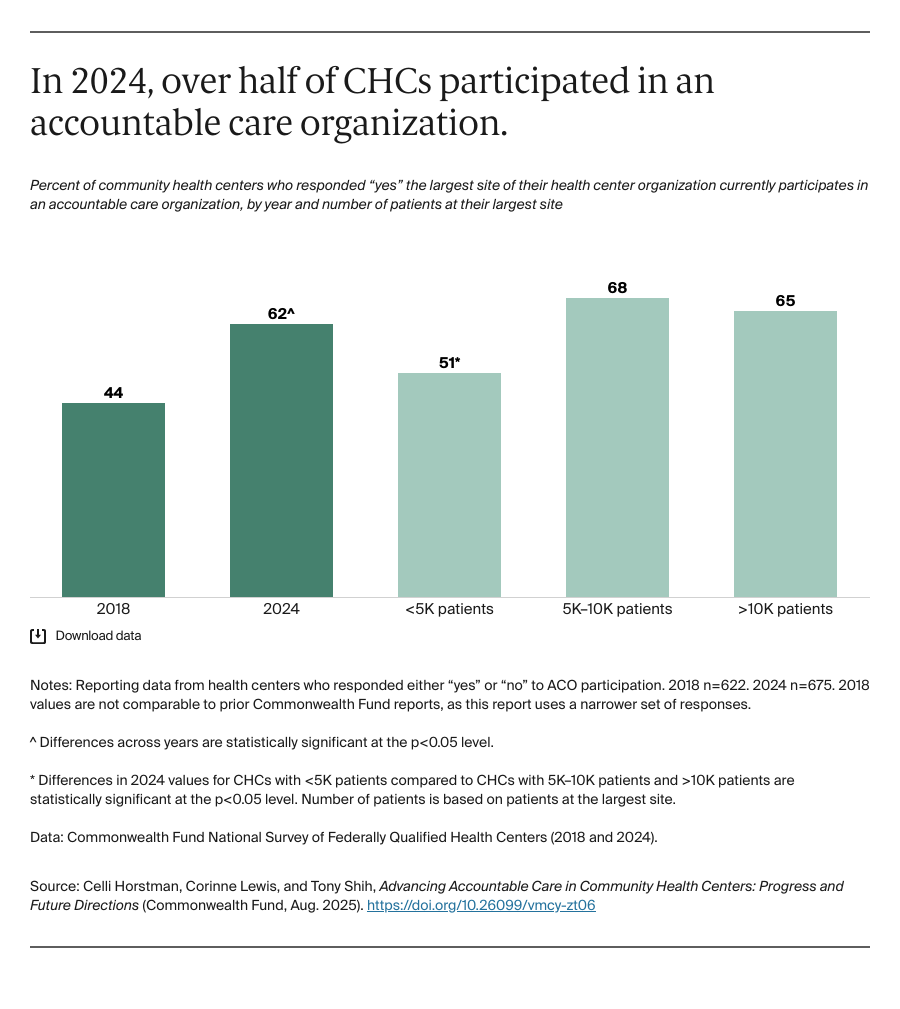
Horstman_ACOs_in_CHCs_Exhibit_01

Over half of all community health centers reported participating in an accountable care organization in 2024, significantly more than in 2018. ACO-participating CHCs are referred to as ACO health centers in this brief.

The Centers for Medicare and Medicaid Services (CMS) similarly found that CHC participation in Medicare ACOs, alongside rural health clinics and critical access hospitals, has increased in recent years.8 For example, more than 7,000 CHC service sites participated in the Medicare Shared Savings Program (MSSP) in 2025, the largest ACO model operated by CMS — an increase of 18 percent from the previous year.9 An additional 1,800 health centers participated in CMS’s ACO Primary Care Flex and ACO Realizing Equity, Access, and Community Health (ACO REACH) models.10 CHCs also have formed and participated in Medicaid ACOs.11

Significantly fewer small CHCs (defined as those with less than 5,000 patients at their largest site) reported their largest site participated in an ACO compared to larger centers.

Fewer patients and potentially less capital and resources may make it harder for small centers to take on financial risk, implement advanced health information technology to track costs and quality measures, and employ adequate staff to manage participation.12 Relatedly, ACO health centers, on average, employed an average of 1.5 more full-time-equivalent quality improvement personnel across all their sites than did non-ACO health centers (data not shown).

Care Coordination

Within an ACO, providers and organizations come together and intentionally organize patient care and communication efforts to promote efficient service delivery. We leveraged survey data to understand whether ACO participation is associated with specific types of care coordination and communication in CHCs.

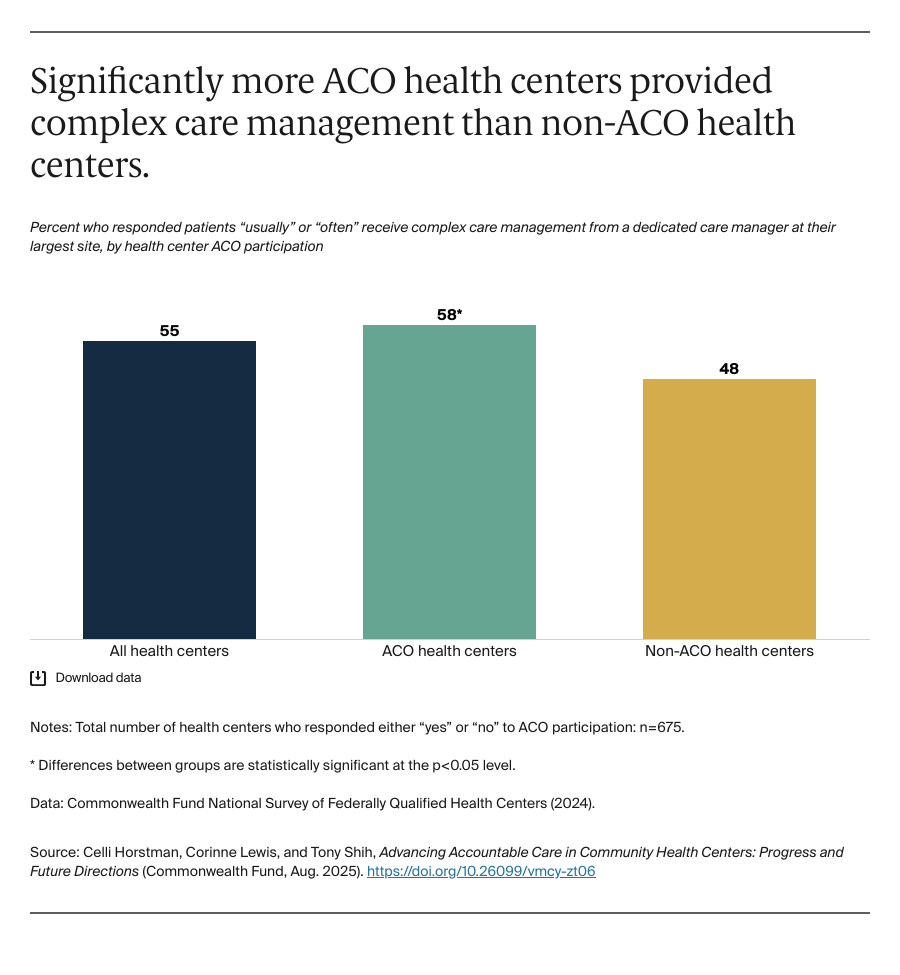
Horstman_ACOs_in_CHCs_Exhibit_02

Complex care management is a care coordination model for patients with multiple physical, behavioral, or social needs. It involves care managers coordinating and implementing patient care plans across providers and settings. Nearly 60 percent of ACO health centers report that patients receive complex care management services — significantly more than non-ACO health centers.

It’s possible that participating in an ACO provides more resources and flexibility to coordinate across different providers, or it could be that CHCs with these capabilities are more likely to join an ACO. A funding partnership with CMS, the Massachusetts Department of Health, and the Massachusetts Medicaid program enabled Community Care Cooperative (C3), a Medicaid ACO made up of CHCs exclusively, to develop a complex care management program.13

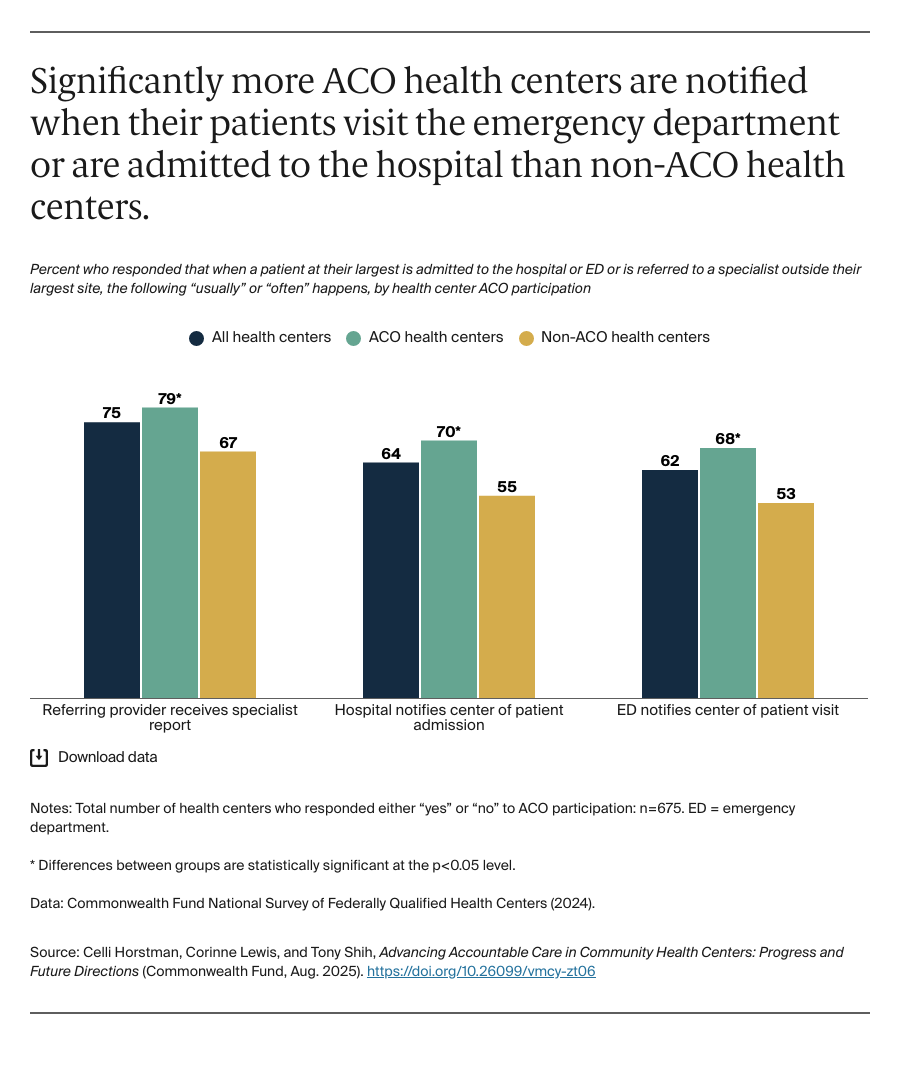
Horstman_ACOs_in_CHCs_Exhibit_03

Compared to non-ACO health centers, significantly more ACO health centers received reports and notifications from specialists, hospitals, and emergency departments regarding their patients. This could be the result of ACO health centers aligning their coordination, communication, and decision-making across providers prior to joining an ACO. Alternatively, participating in an ACO may facilitate better coordination across specialists, hospitals, and emergency departments.

Ultimately, enhanced communication and coordination across providers helps CHCs stay informed of their patients’ care to make timely, patient-centered decisions, for example by ensuring CHCs are notified of hospital discharge to help prevent readmissions.

Quality and Comprehensiveness of Services

ACO-participating organizations tend to offer a wider array of services associated with cost savings and quality improvement.14 We sought to understand the association between ACO participation and the quality and comprehensiveness of services offered by CHCs, particularly since prior research has found that CHCs tend to offer many of these services anyway.15

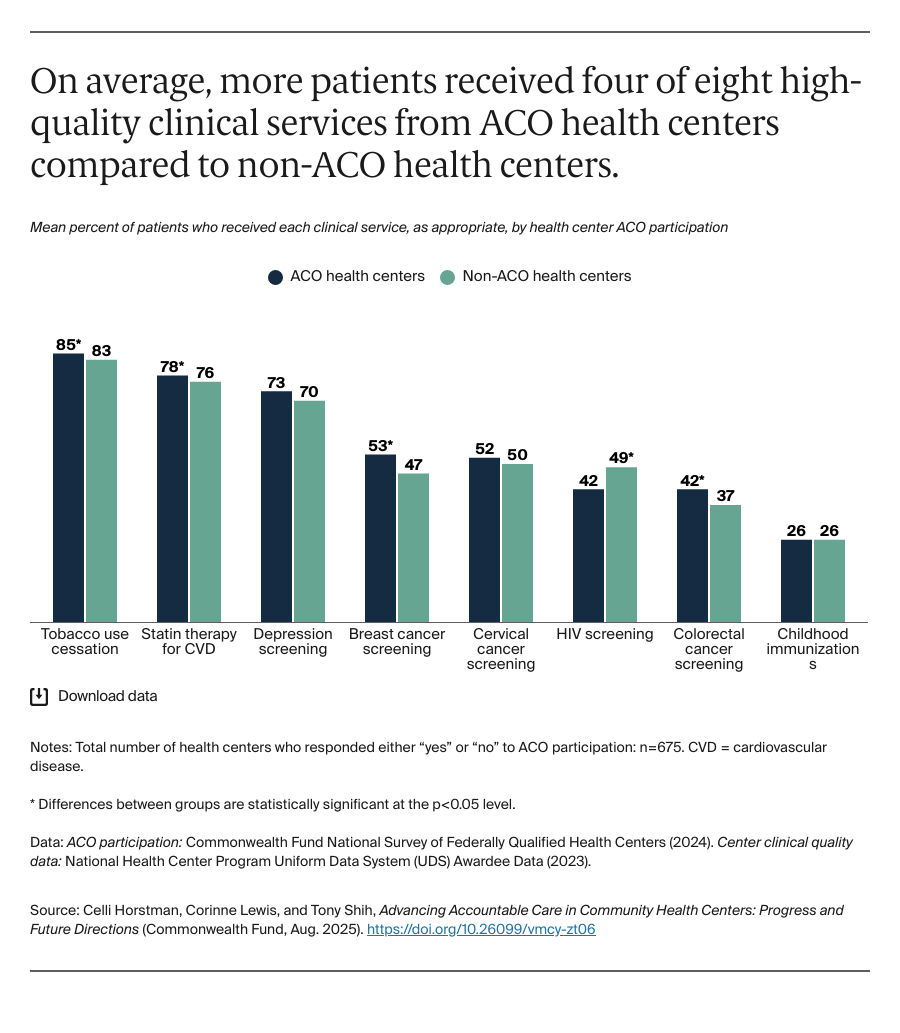
Horstman_ACOs_in_CHCs_Exhibit_04

CHCs are required to annually report clinical quality measures that assess how many patients receive valuable services across all their sites. Significantly more patients across all sites of ACO health centers, on average, received tobacco use cessation services, statin therapy for cardiovascular disease, and breast or colorectal cancer screenings than non-ACO health centers.

Given that participating centers are held financially accountable for specific quality outcomes, their services may differ based on which outcomes are incentivized by their ACO. For example, the four measures where ACO health centers reported higher delivery compared to non-ACO health centers are all MSSP quality measures. Meanwhile, HIV screening is not a financially incentivized quality measure but CHCs play a key role in the federal HIV prevention and treatment strategy and have received millions of grant dollars to support this work.16 Non-ACO health centers may have more flexibility to prioritize delivering this service.

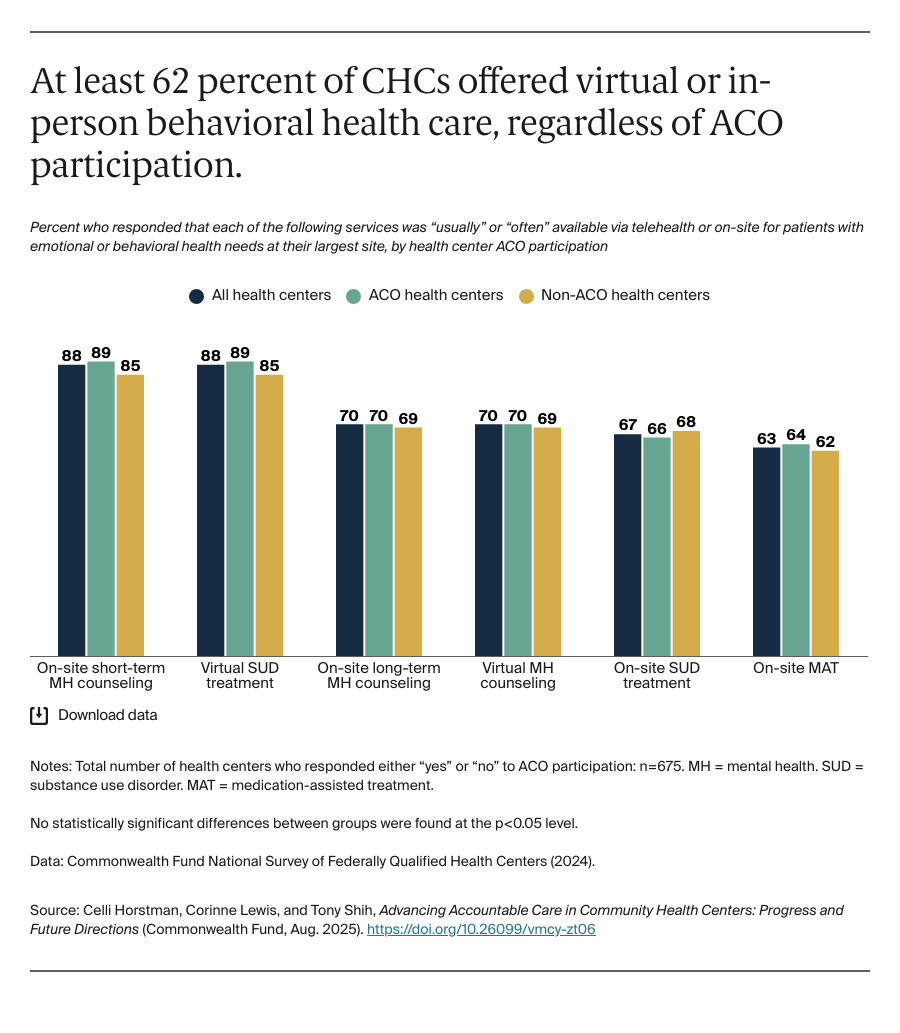
Horstman_ACOs_in_CHCs_Exhibit_05

In addition to the majority of CHC patients receiving depression screenings (see above), most centers, regardless of ACO participation, report that they offer in-person and virtual behavioral health services, including substance use disorder treatment, medication-assisted treatment for substance use disorder, and short- and long-term mental health counseling.

However, CHCs may struggle to coordinate behavioral health care. Prior research has found that CHCs are struggling with behavioral health workforce shortages and a lack of behavioral health specialists in their communities.17 Some state Medicaid ACOs require contracting with behavioral health providers, which may help facilitate coordination.18

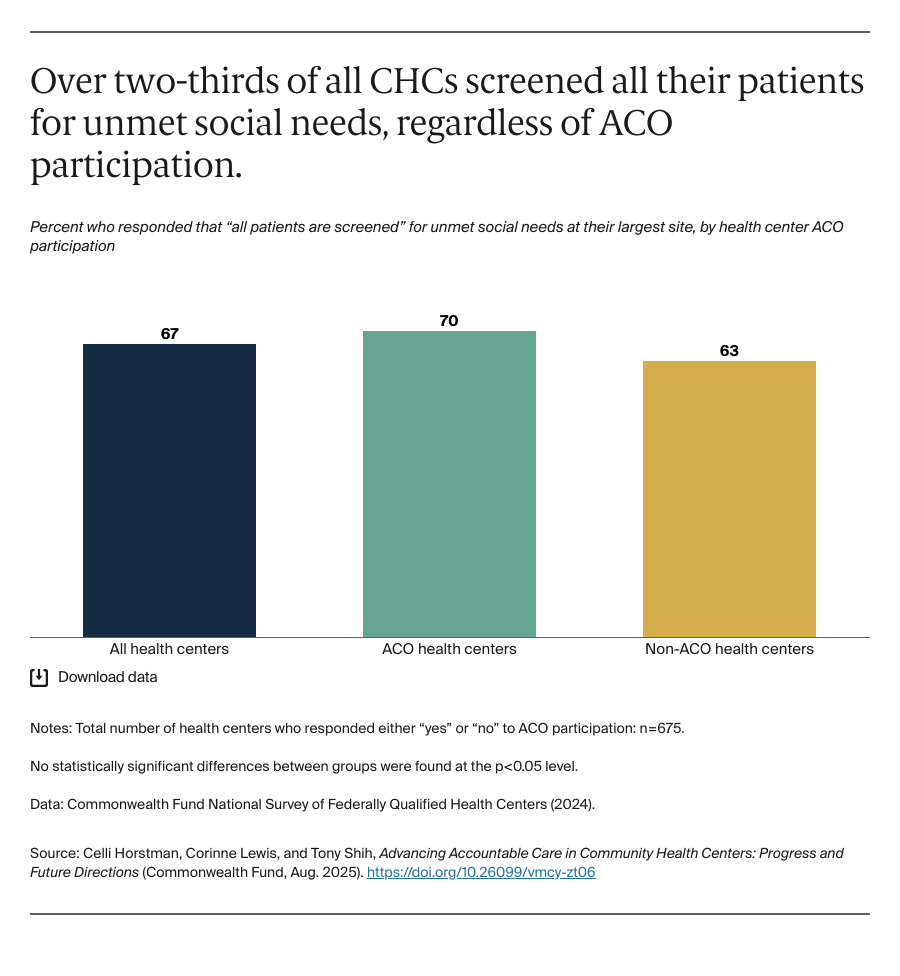
Horstman_ACOs_in_CHCs_Exhibit_06

Most CHCs, regardless of ACO participation, reported screening their patients for unmet social needs. This aligns with other Commonwealth Fund research, which found CHC physicians were more likely to screen their patients for social drivers of health than physicians in individual practices, allowing them to be more responsive to the needs of their patient population.19

Given the similarly high rates of care delivery in behavioral health noted earlier, it’s possible that ACO participation makes less of a difference in comprehensiveness of services, where CHCs are already excelling.

Advancing Health Equity

A core mission of CHCs is to deliver care to those who otherwise would not have access to it, including patients who have low incomes or are uninsured. They also undertake activities that advance health equity, like collecting and tracking quality measures associated with health inequities among racial and ethnic populations. Accountable care models have the potential to advance health equity when intentionally designed.20 We leveraged the survey data to assess whether ACO participation bolstered CHC efforts to advance health equity.

Horstman_ACOs_in_CHCs_Exhibit_07

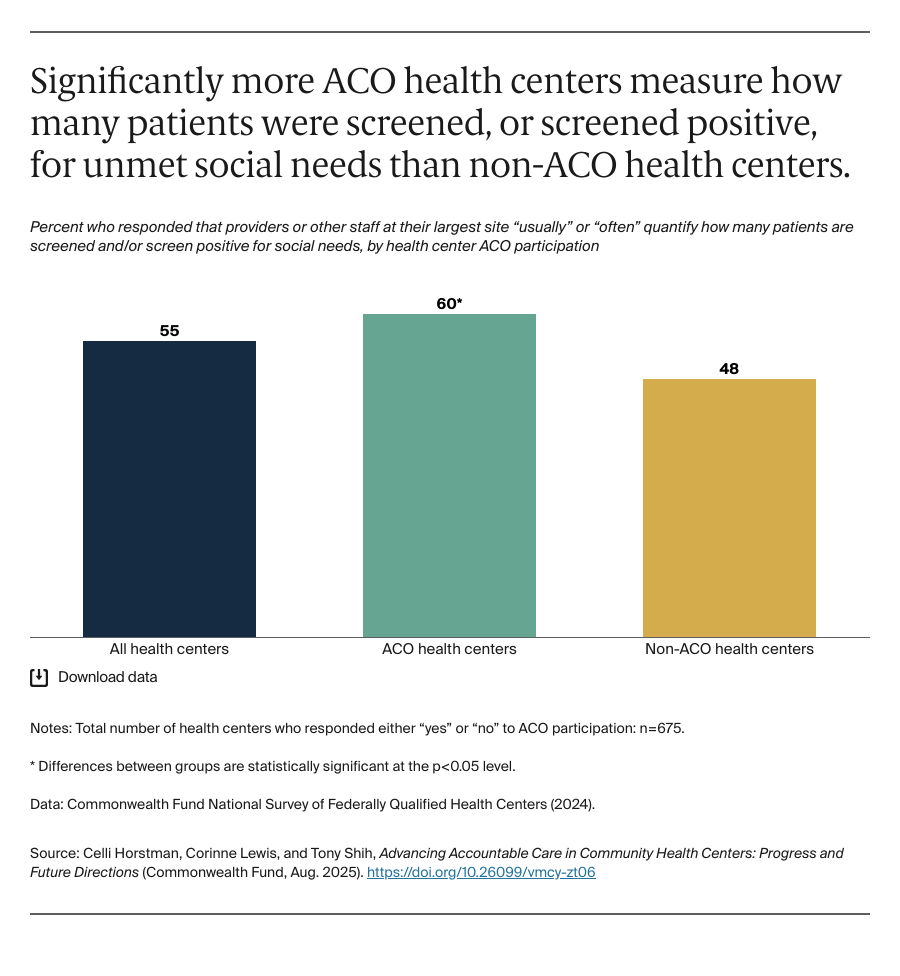
While most CHCs reported screening patients for social needs, as seen previously, significantly more ACO health centers report quantifying the number of patients who are screened or who screen positive than non-ACO health centers. This may reflect Medicare and Medicaid ACO models which have recommended, or even required, collecting these data.

CHCs can aggregate their screening data to understand the needs of their patient population and develop partnerships and programs to better support their communities.21

Horstman_ACOs_in_CHCs_Exhibit_08

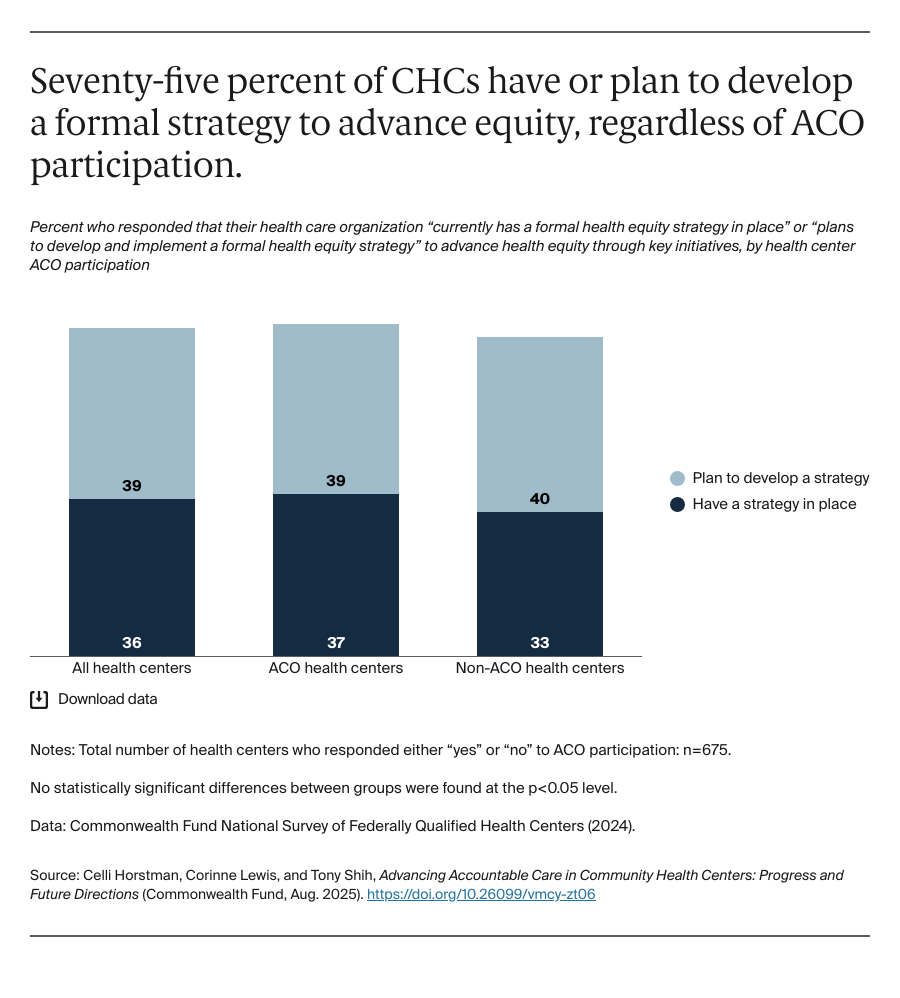
One-third of health centers report having a formal health equity strategy that develops goals related to addressing disparities and a strategy to achieve those goals. Another 39 percent plan to develop a strategy, regardless of ACO participation. CHCs tend to already be conducting activities that may be included in a strategy, but some models, like the Massachusetts and Oregon Medicaid ACOs, have encouraged participants to have a health equity strategy in place.22

Data and Infrastructure

Adequate data and infrastructure help ensure ACOs are able to carry out their core functions efficiently and effectively.23 Ninety-nine percent of CHCs are equipped with at least one electronic health record system, which they use to communicate with patients and providers inside and outside the center; order laboratory work and images; and collect, monitor, and report data.24 Using the survey data, we looked deeper into these activities based on ACO participation.

Horstman_ACOs_in_CHCs_Exhibit_09

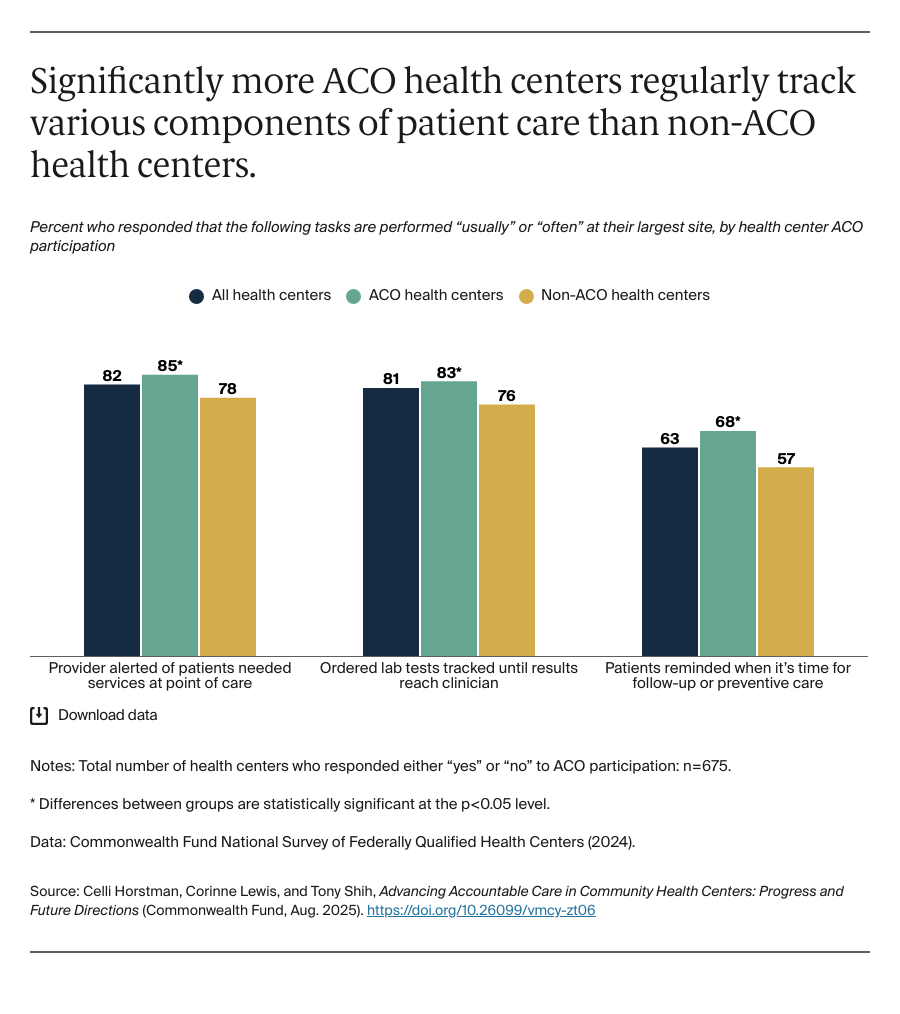
In addition to more patients at ACO health centers receiving key preventive care services, as previously described, significantly more ACO health centers regularly remind patients when it’s time for follow-up or preventive care. Compared to non-ACO health centers, significantly more ACO health centers report they regularly alerted their providers at the point of care about which services their patients need and tracked lab tests until results reach the clinician. These activities are key to ensuring clinicians can make timely decisions and manage patient care.

Horstman_ACOs_in_CHCs_Exhibit_10

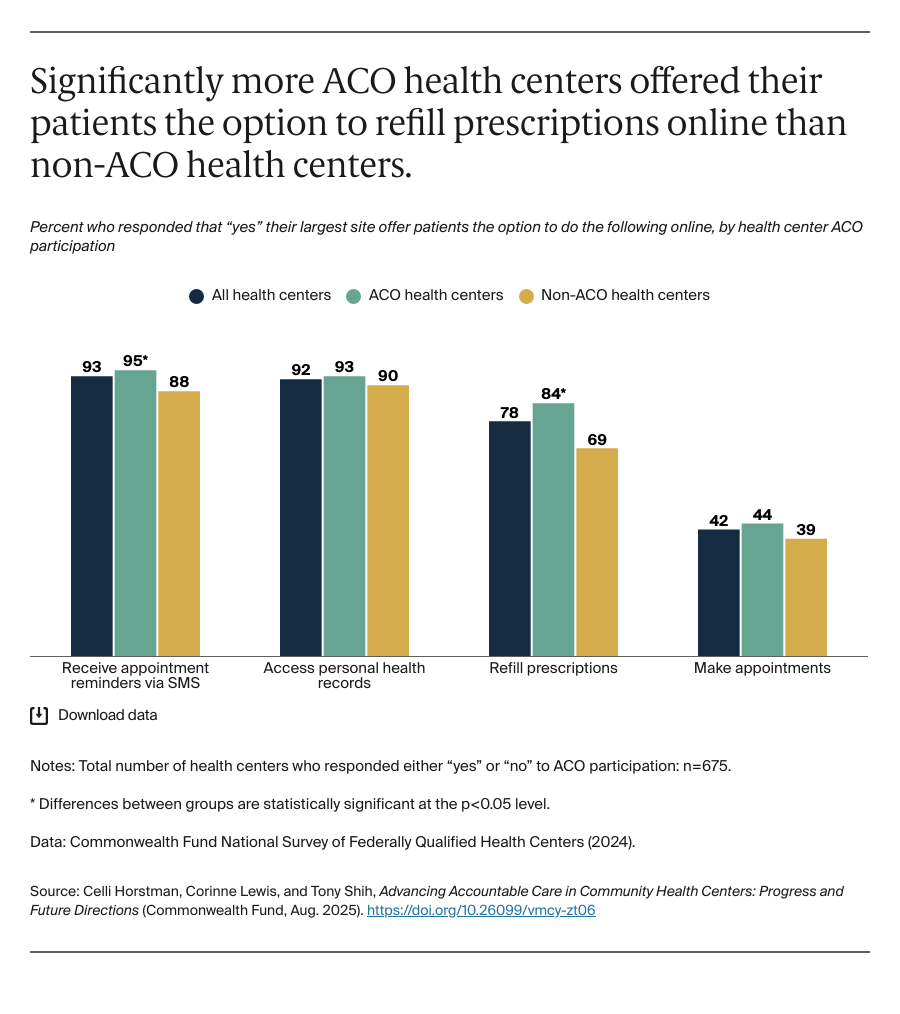
Compared to non-ACO health centers, significantly more ACO health centers have options for patients to receive text reminders for appointments and refill their prescriptions online, both of which are associated with increased health care use.25 With less than half of all CHCs offering the option to make appointments online, there may be an opportunity for improved accessibility.

Payment Reform

ACOs are paid through shared-savings arrangements, where organizations can realize additional savings, or in some cases losses, based on their quality, cost, and equity outcomes.26 However, payments for CHCs in particular may be fragmented across payers and grant funding streams, creating a complex system of rates, measurements, and incentives.27 ACO participation also requires up-front investments in data infrastructure and staffing, which may be a challenge for CHCs, which operate on thin financial margins.28

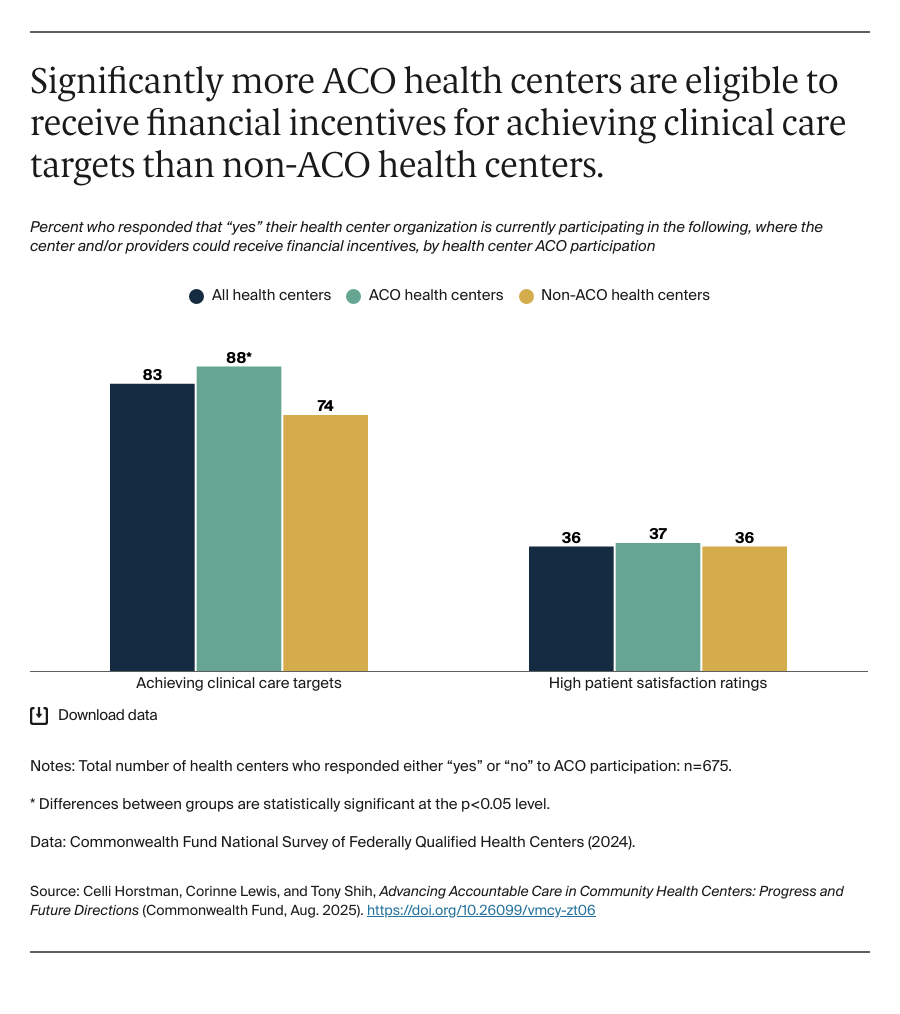
Horstman_ACOs_in_CHCs_Exhibit_11

Nearly 90 percent of ACO health centers could receive financial incentives for achieving certain clinical care ratings, like HEDIS measures, which track performance on aspects of care delivery like effectiveness and accessibility.29 ACOs, by design, incentivize certain behaviors like increased preventive care delivery through ratings and measurement. CHCs also may use these required data to drive decision-making around care delivery, particularly for reducing the use of high-cost, low-value care.30

Across the board, few centers report being financially incentivized for receiving high patient satisfaction ratings. Incentivizing patient satisfaction, and by extension promoting the tracking and monitoring of patient experience, can promote care that is more patient-centered.31

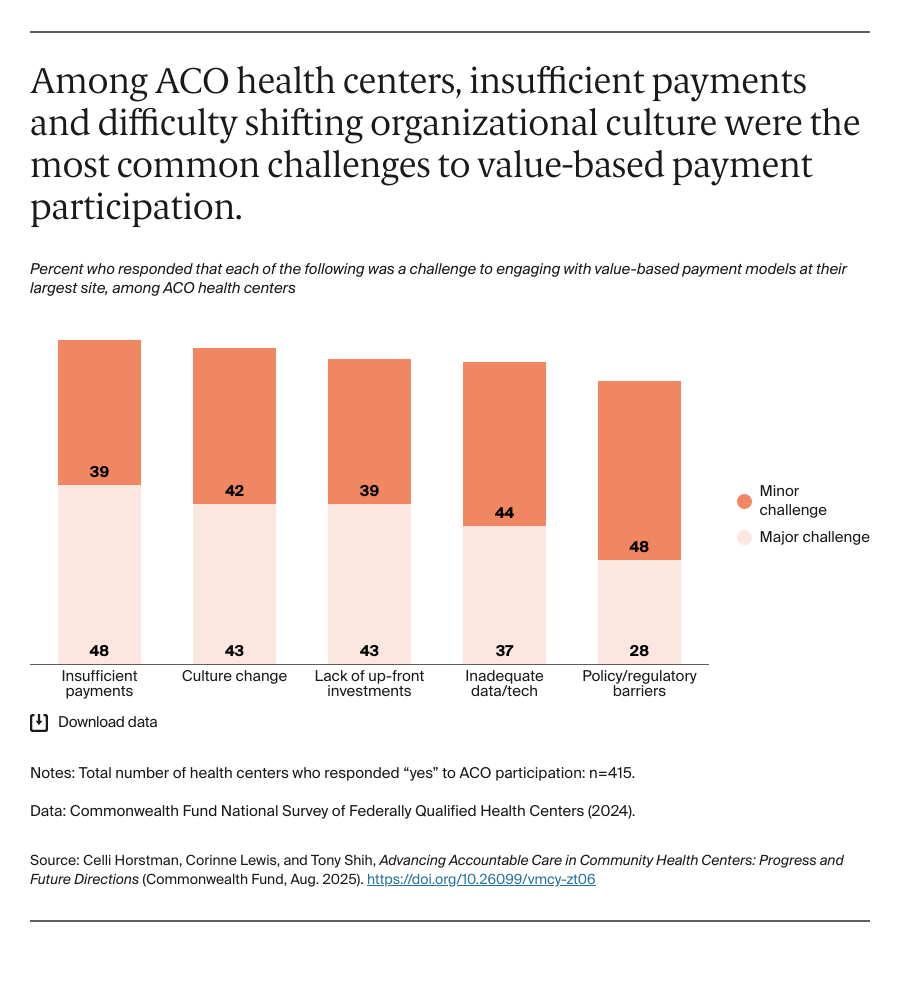
Horstman_ACOs_in_CHCs_Exhibit_12

Nearly half of ACO health centers said that insufficient payments were a major challenge for value-based payment participation, which is consistent with other Fund research.32

Many CHCs also noted that culture change, or the shift in mindset and practices that comes with moving to value-based payment, was a challenge to participation. Other organizations, not just CHCs, struggle with the shift from a volume-based payment structure to a value-based one as it requires leadership buy-in, retraining staff, implementing new models of care delivery, changing health information technology infrastructure, and more.33

Discussion

Community health center participation in accountable care organizations has increased since 2018, likely because of targeted efforts by federal and state policymakers to design models in ways that enable and incentivize their participation.34

ACO health centers were significantly more likely than non-ACO health centers to engage in important aspects of care delivery, such as offering patients certain preventive screenings and complex care management, coordinating patient care with hospitals and emergency departments, and having patient-facing online tools that enable appointment reminders and prescription refills. However, there were either small or no differences associated with ACO participation for aspects of care such as offering behavioral health services or having formal health equity plans.

Further research — comparing, for example, CHC performance to other types of ACOs within models or comparing CHC care delivery before and after joining an ACO — could shed light on how ACO participation impacts care delivery.

Our results point to several areas for federal and state policymakers to target to improve care at CHCs when designing future ACO models, including tying financial incentives to patient satisfaction ratings and aligning quality measures across payers.

To encourage more CHCs to join ACOs, particularly smaller CHCs, policymakers can consider addressing some of their greatest challenges. This could include offering more generous payments, up-front financial investment to assist CHCs in developing infrastructure, and technical assistance opportunities to support the necessary culture change and training. Expanding participation in ACO models among CHCs while improving their design has the potential to improve access to care and quality of care for the underserved populations CHCs reach.

HOW WE CONDUCTED THIS STUDY

2024 Survey

The Commonwealth Fund 2024 National Survey of Federally Qualified Health Centers was conducted by SSRS from October 17, 2023, through April 2, 2024, among a nationally representative sample of executive directors, clinical directors, or project directors at federally qualified health centers (FQHCs). The survey sample was drawn from the Uniform Data System (UDS) list of all FQHCs in 2022 that have at least one site that is a community-based primary care clinic. The National Association of Community Health Centers provided the list.

All 1,368 FQHCs were sent the questionnaire and 766 responded, yielding a response rate of 56 percent. This analysis only included centers that responded either “yes” or “no” to the question “Does the largest site of your health center organization currently participate in any of the following practice models? Accountable Care Organization (ACO),” yielding data for 675 centers.

The survey consisted of a 12-page questionnaire, informed by the Commonwealth Fund 2018 National Survey of Federally Qualified Health Centers and qualitative research conducted by the African American Research Collaborative. The questionnaire could be completed by mail or web. Data were weighted by the number of patients, number of sites, geographic region, and urban/rural location to reflect the universe of FQHCs as accurately as possible. We used chi-square tests to assess differences between health centers between 2018 and 2024 responses.

2023 Uniform Data Reporting System (UDS)

To assess clinical quality measures, we analyzed 2023 UDS data for the 675 centers included in this analysis. Data are reported annually to the Health Resources and Services Administration (HRSA) and are publicly available. Data were merged with the 2024 survey data and analyzed using chi-square tests. Data were collected before January 2025.

2018 Survey

The Commonwealth Fund 2018 National Survey of Federally Qualified Health Centers was conducted by SSRS from May 16, 2018, through September 30, 2018, among a nationally representative sample of 694 executive directors or clinical directors at FQHCs. The survey sample was drawn from the Uniform Data System (UDS) list of all FQHCs in 2016 that have at least one site that is a community-based primary care clinic. The National Association of Community Health Centers provided the list.

All 1,367 FQHCs were sent the questionnaire and 694 responded, yielding a response rate of 51 percent. This analysis only included centers that responded either “yes” or “no” to the question “Does the largest site of your health center organization currently participate in any of the following practice models? Accountable Care Organization (ACO)” yielding data for 622 centers.

The survey consisted of a 12-page questionnaire that took approximately 20–25 minutes to complete. Data were weighted by number of patients, number of sites, geographic region, and urban/rural location to reflect the universe of primary care community centers as accurately as possible. We used chi-square tests to assess differences between health centers between 2018 and 2024 responses.

NOTES
  1. David Blumenthal et al., Mirror, Mirror 2024: A Portrait of the Failing U.S. Health System — Comparing Performance in 10 Nations (Commonwealth Fund, Sept. 2024).
  2. David Blumenthal et al., Mirror, Mirror 2024: A Portrait of the Failing U.S. Health System — Comparing Performance in 10 Nations (Commonwealth Fund, Sept. 2024).
  3. Corinne Lewis et al., “Value-Based Care: What It Is, and Why It’s Needed” (explainer), Commonwealth Fund, Feb. 7, 2023.
  4. Corinne Lewis et al., Evidence from a Decade of Innovation: The Impact of the Payment and Delivery System Reforms of the Affordable Care Act (Commonwealth Fund, Apr. 2022).
  5. Health Care Payment Learning & Action Network, Accountable Care Curve Overview and User Guide (HCPLAN, June 2023); previous version, accessed before Jan. 2025.
  6. Corinne Lewis, Alexandra Bryan, and Celli Horstman, “Federally Qualified Health Centers Can Make the Switch to Value-Based Payment, But Need Assistance,” To the Point (blog), Commonwealth Fund, Feb. 26, 2024; and Alex Brill, The Overlooked Decline in Community Health Center Funding (Matrix Global Advisors, Mar. 2023).
  7. Health Resources and Services Administration, “Health Center Program Uniform Data System (UDS) Data,” accessed Apr. 2025.
  8. Centers for Medicare and Medicaid Services, “CMS Moves Closer to Accountable Care Goals with 2025 ACO Initiatives,” fact sheet, Jan. 15, 2025.
  9. Centers for Medicare and Medicaid Services, “Shared Savings Program Fast Facts,” Jan. 2025; and Centers for Medicare and Medicaid Services, “Shared Savings Program Fast Facts,” Jan. 2024.
  10. Centers for Medicare and Medicaid Services, “ACO PC Flex Model List of PY2025 Participants,” last updated Jan, 2025; and Centers for Medicare and Medicaid Services, “ACO REACH Model List of PY 2025 Participants,” last updated Jan. 2025.
  11. Aditya Mahalingam-Dhingra, Vikki Wachino, Kim Prendergast, Supporting Federally Qualified Health Center Participation in Value-Based Payment to Improve Quality and Achieve Savings (Milbank Memorial Fund, Sept. 2024).
  12. Jonathan Gonzalez-Smith et al., How to Better Support Small Physician-Led Accountable Care Organizations: Recent Program Updates, Challenges, and Policy Implications (Duke Margolis Center for Health Policy, Feb. 2020).
  13. Asher Wang et al., “Value-Based Care and a Path to Achieve Comprehensive Care in the Safety-Net,” Health Affairs Forefront (blog), Feb. 28, 2023.
  14. Centers for Medicare and Medicaid Services, “Medicare Shared Savings Program Continues to Deliver Meaningful Savings and High-Quality Health Care,” press release, Oct. 29, 2024; Celli Horstman, Corinne Lewis, and Melinda K. Abrams, “Designing Accountable Care: Lessons from CMS Accountable Care Organizations,” To the Point (blog), Commonwealth Fund, Nov. 10, 2022; and Michael Wilson et al., “The Impacts of Accountable Care Organizations on Patient Experience, Health Outcomes, and Costs: A Rapid Review,” Journal of Health Services Research & Policy 25, no. 2 (Apr. 2020): 130–38.
  15. Celli Horstman et al., Community Health Centers’ Progress and Challenges in Meeting Patients’ Essential Primary Care Needs: Findings from the Commonwealth Fund 2024 National Survey of Federally Qualified Health Centers (Commonwealth Fund, Aug. 2024).
  16. Health Resources and Services Administration, “Ending the HIV Epidemic in the U.S.,” last updated Jan. 2025.
  17. Celli Horstman et al., Community Health Centers’ Progress and Challenges in Meeting Patients’ Essential Primary Care Needs: Findings from the Commonwealth Fund 2024 National Survey of Federally Qualified Health Centers (Commonwealth Fund, Aug. 2024).
  18. National Academy for State Health Policy, Three States’ Strategies to Improve Behavioral Health Services Delivery Through Medicaid Accountable Care Programs (NASHP, Oct. 2020).
  19. Celli Horstman, How U.S. Health Care Providers Are Addressing the Drivers of Health (Commonwealth Fund, May 2024).
  20. Health Care Payment Learning & Action Network, Advancing Health Equity Through Alternative Payment Models (APMs) (HCPLAN, Nov. 2024); previous version, accessed before January 2025.
  21. Sarah Klein, Paying Providers to Address Health-Related Social Needs: Lessons from Massachusetts and Minnesota (Commonwealth Fund, Oct. 2024).
  22. Oregon Health Authority, Coordinated Care Organization Health Equity Plan (OHA, accessed May 2025); and MassHealth, MassHealth ACO Quality and Equity Incentive Program (AQEIP) (MassHealth, Mar. 2025).
  23. Certification Commission for Health Information Technology, A Health IT Framework for Accountable Care (CCHIT, June 2013).
  24. National Association of Community Health Centers, Community Health Centers: Providers, Partners, and Employers of Choice: 2024 Chartbook (NACHC, May 2024).
  25. Frank J. Schwebel and Mary E. Larimer, “Using Text Message Reminders in Health Care Services: A Narrative Literature Review,” Internet Interventions 13 (June 2018): 82–104.
  26. Corinne Lewis et al., “Value-Based Care: What It Is, and Why It’s Needed” (explainer), Commonwealth Fund, Feb. 7, 2023.
  27. Aditya Mahalingam-Dhingra, Vikki Wachino, Kim Prendergast, Supporting Federally Qualified Health Center Participation in Value-Based Payment to Improve Quality and Achieve Savings (Milbank Memorial Fund, Sept. 2024).
  28. Sara Federman et al., “Community Health Centers Are Serving More Patients Than Ever, but Financial Challenges Loom Large,” To the Point (blog), Commonwealth Fund, Nov. 13, 2024.
  29. National Committee for Quality Assurance, “HEDIS Measures and Technical Resources,” accessed June 2025.
  30. National Association of Community Health Centers, Successful Practices in Accountable Care (NACHC, Nov. 2021).
  31. Michael McWilliams et al., “Changes in Patients’ Experiences in Medicare Accountable Care Organizations,” New England Journal of Medicine 371, no. 18 (Oct. 30, 2014): 1715–24.
  32. Corinne Lewis, Alexandra Bryan, and Celli Horstman, “Federally Qualified Health Centers Can Make the Switch to Value-Based Payment, But Need Assistance,” To the Point (blog), Commonwealth Fund, Feb. 26, 2024.
  33. Celli Horstman, Corinne Lewis, and Melinda K. Abrams, “Designing Accountable Care: Lessons from CMS Accountable Care Organizations,” To the Point (blog), Commonwealth Fund, Nov. 10, 2022.
  34. Corinne Lewis, Alexandra Bryan, and Celli Horstman, “Federally Qualified Health Centers Can Make the Switch to Value-Based Payment, But Need Assistance,” To the Point (blog), Commonwealth Fund, Feb. 26, 2024.

Publication Details

Date

Contact

Celli Horstman, Senior Research Associate, Improving Care Delivery, The Commonwealth Fund

ceh@cmwf.org

Citation

Celli Horstman, Corinne Lewis, and Anthony Shih, Advancing Accountable Care in Community Health Centers: Progress and Future Directions (Commonwealth Fund, Aug. 2025). https://doi.org/10.26099/vmcy-zt06